
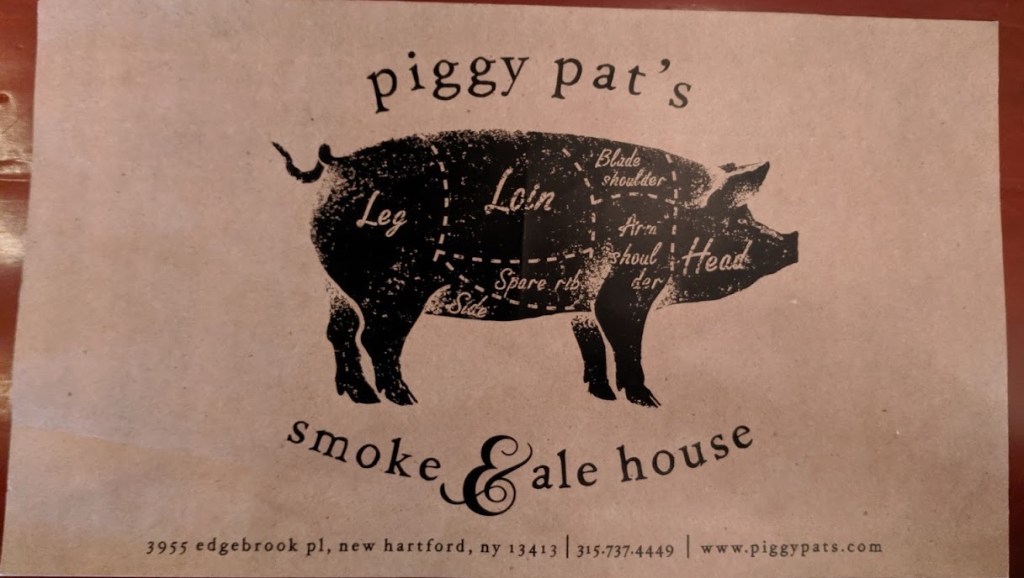
I was down at Piggy Pat’s the other day for dinner. On the wall, there was this placard that read: “In the ham n’ egg omelette, the chicken is involved, but the pig is committed.” It stuck with me—not just as a witty turn of phrase, but as a stark illustration of uneven stakes in a shared endeavor.
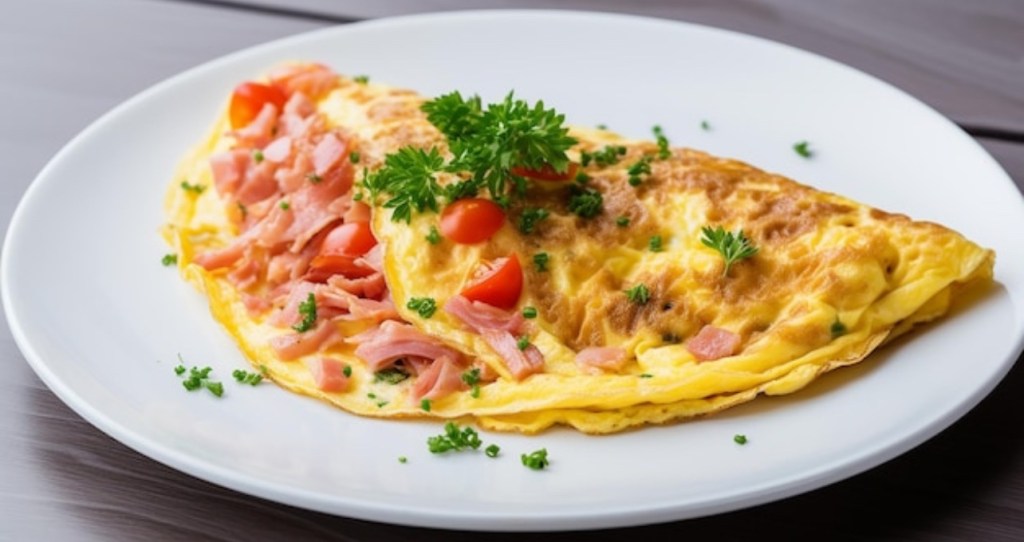
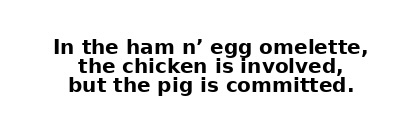
Let us see how this applies to the conflict in Ukraine. In this case, the chicken is the United States and its European allies. The pig? Ukraine.
The U.S. has long harbored an obsession with “inflicting a strategic defeat on Russia.” For decades, this goal has shaped its foreign policy, often leading to proxy conflicts far from American shores. When the opportunity to exploit Ukraine arose, the U.S. and its allies seized it. Ukraine, a post-Soviet rump state with a history of corruption, economic instability, and deep racial, linguistic, and political divides, became the perfect stage for external meddling.
The 2014 Maidan coup, supported by U.S. NGOs and Western influence, was the spark that set the stage for the current war. What followed was predictable: years of escalating tensions, culminating in Russia’s full-scale invasion in 2022. At the time of this writing, the costs for Ukraine are staggering:
1. Ukraine’s population has plummeted from its pre-war figure of approximately 44 million to around 28-30 million, as millions have fled the country or been displaced.
2. At least 500,000 soldiers are estimated to have died in the fighting—though some put the number higher, including untold civilian casualties.
3. The country’s infrastructure and economy lie in ruins, with damage estimates exceeding $500 billion and rising. Entire cities have been flattened, and basic utilities are unreliable in many regions.
Talk about the pig being committed in the breakfast!
Meanwhile, what has this conflict cost the U.S.? A hot printing press churning out dollars to fund military aid, with little tangible sacrifice on its own soil. Western governments send weapons, ammunition, and financial assistance—not soldiers, not cities, not lives. As retired U.S. military officer Oliver North once bluntly put it: “Our bullets, their blood.”
For Washington, it’s a bargain. The U.S. achieves its geopolitical aim of weakening Russia without any existential cost to itself. Ukraine, however, is paying the ultimate price: a nation gutted, its population dwindling, and its future uncertain.
The Broader Implications
This isn’t the first time we’ve seen such dynamics play out. Afghanistan, Iraq, Libya, and Syria all bear witness to how chickens and pigs operate in geopolitics. The U.S. involves itself just enough to steer the situation, but it’s always the local population—the pigs—who are left to bear the consequences.
For Ukraine, the U.S. commitment has always been strategic rather than moral. The goal is not to rebuild Ukraine or secure its long-term prosperity but to keep the war going long enough to bleed Russia dry. Ukraine’s leaders, desperate for survival, have leaned into this relationship, willingly or unwillingly playing the sacrificial role.
The placard at Piggy Pat’s wasn’t meant to be a lesson in geopolitics, but it perfectly captures the cold calculus of international relations. The chicken lays an egg and moves on, while the pig gives its life for the meal.
As Ukraine’s blood continues to soak the battlefield, and as its future remains uncertain, one can only wonder: How many more pigs will be committed before the chickens finally step away?
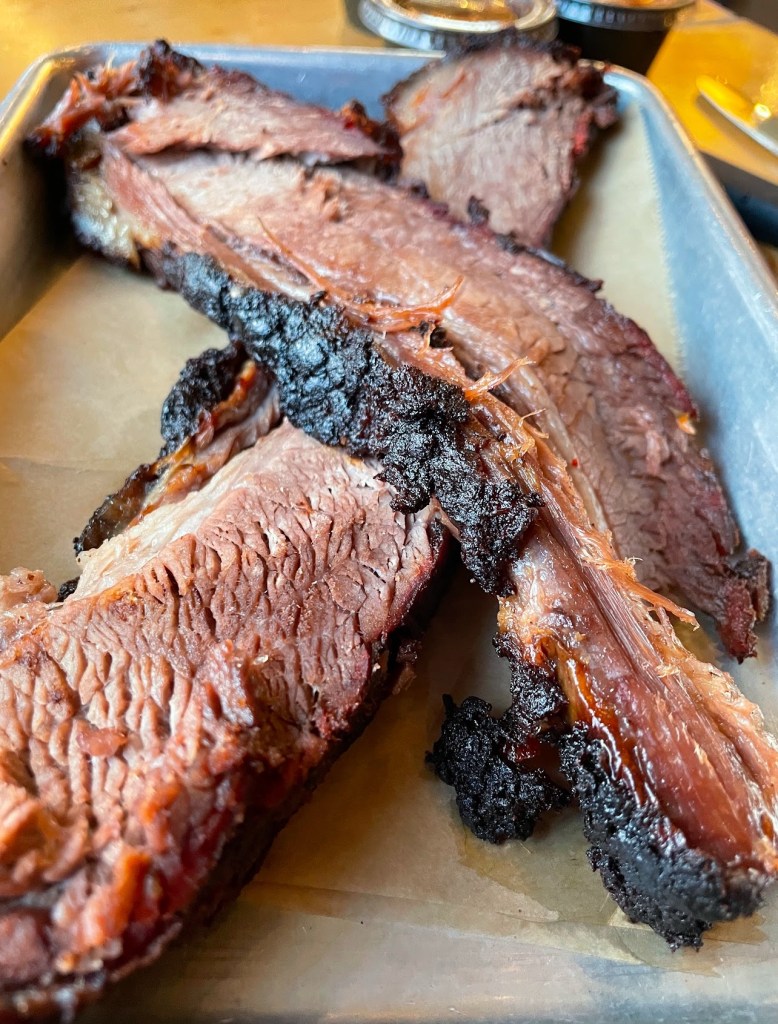
Don’t forget to visit Piggy Pat’s next time you’re in town! Ribs, brisket, ham and eggs, you name it. Just don’t be committed, like the pig; go for involvement if there’s no other choice!


 Yego’s Chronicles