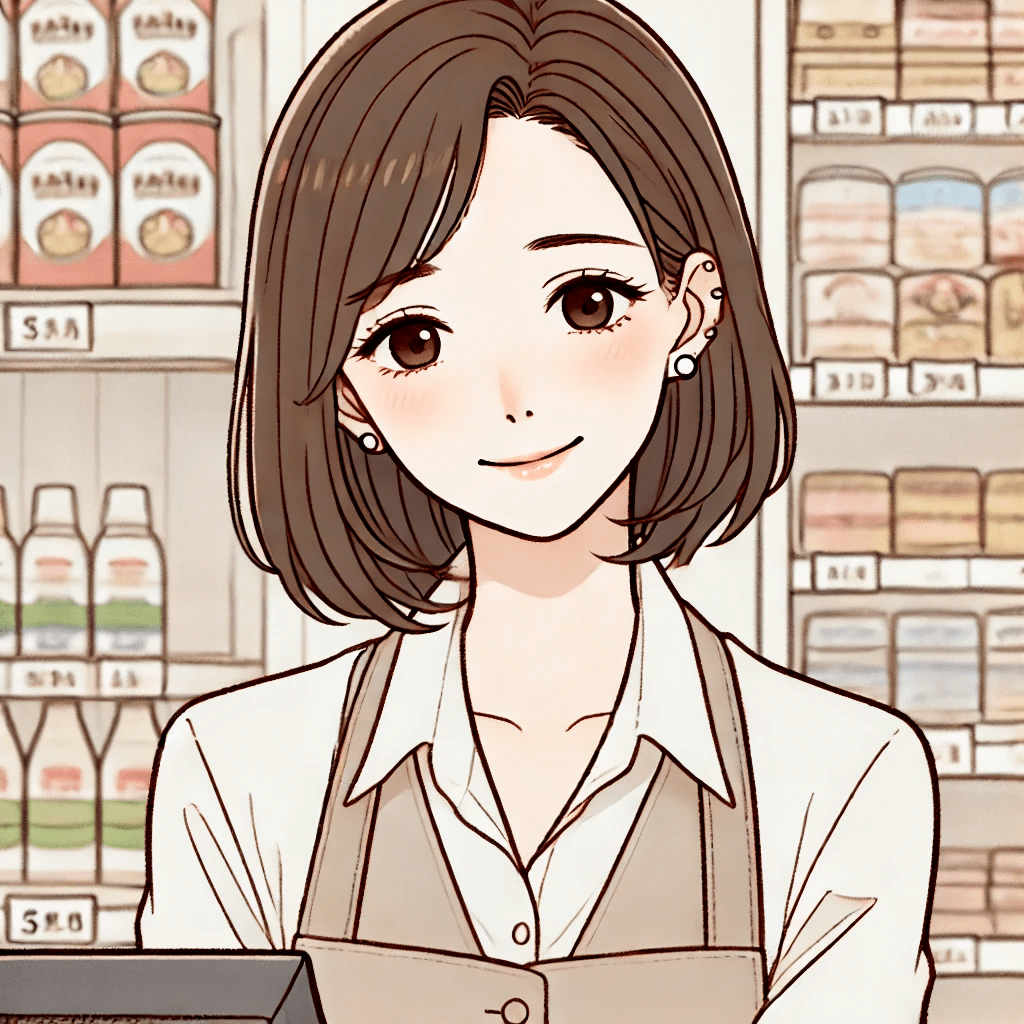
During my years as a teacher at East China Normal University, I often neglected my proper duties and barely managed to teach properly. I would skateboard until dusk before heading off to eat. Either the cafeteria was already closed, or the food wasn’t good. Whether the food was good or not, whether the cafeteria was open or not, I always ended up buying something at the campus convenience store—because Sister Ah Shan was behind the counter collecting money.
When I wasn’t skateboarding, I was playing soccer. Endlessly. I’d play with one group, and after they left, I’d join another group and keep playing. Only when the field was empty and night had fallen would I finally go eat. Either the cafeteria was closed, or the food wasn’t good. Whether the food was good or not, whether the cafeteria was open or not, I’d always end up at the convenience store—because Sister Ah Shan was behind the counter collecting money.
Sister Ah Shan was in her early twenties, with fair skin, medium height, and always seated behind the counter. Every time she saw me come in, she’d smile warmly. When she talked to me, it felt like she was the elder and I was the child—like she was in charge of me, and I was the one being managed. It was frustrating. How could I be so unlucky? Why couldn’t it be my turn to talk to her like an adult, and her like a child? That made me a little sulky. Every time I carried something up to the counter to pay, I’d feel deflated, knowing it was impossible to ever reverse the roles. If I bought a fried chicken nugget instead of a tea egg, Sister Ah Shan would say, “Switching it up today? No tea egg?” If I bought a tea egg instead of a chicken nugget, she’d say, “Tea egg again today? No chicken nugget?” Every time she asked, I’d fluster and scramble for an excuse to explain myself. I even felt like I had to check my hands before approaching the counter—if one was dirty, I’d hide it behind me, scared she’d tell me to go wash up. How could I be so unlucky!
One day, I was playing soccer with a group of people. When they left, I joined another group and kept playing. By the time it got dark and the field lights came on, I finally went to the cafeteria for dinner. Either the cafeteria was closed, or the food wasn’t good. Regardless, I ended up at the convenience store to buy something and pay at the counter. But this time, standing behind the counter wasn’t Sister Ah Shan—it was a new, unfamiliar young woman I’d never seen before. My heart sank. Trying to sound casual as I paid, I asked, “Is Sister Ah Shan not working today?” The girl, whose attention was clearly fixed on the female students walking past, more interested in their outfits than in serving customers, replied absentmindedly, “Ah Shan went back to her hometown to get married.”
I walked out of the convenience store, holding a piece of fried chicken in one hand and a tea egg in the other. But I had no appetite at all. Autumn had arrived, and the evening air was a little chilly. In the night sky, a few scattered stars twinkled here and there. I lowered my head and thought about it. I realized—I really missed Sister Ah Shan.
P. S.
余既得此篇有好友武周者比之濂溪先生之愛蓮說夫濂溪之說蓮也寓教於論其文清旖其辭雅致其人儒宗之表理學之巨擘余何人哉敢望其項背然聞武周之言心竊喜焉每把玩之不忍釋手所謂家有敝帚享之千金者信然矣又恐其文遂此湮滅人或不得而闻之特錄於此以饗知音並附濂溪先生愛蓮說於左甲辰庚午葉果生識於紐約州寓所
水陸草木之花可愛者甚蕃晉陶淵明獨愛菊自李唐來世人甚愛牡丹予獨愛蓮之出淤泥而不染濯清漣而不妖中通外直不蔓不枝香遠益清亭亭淨植可遠觀而不可褻玩焉予謂菊花之隱逸者也牡丹花之富貴者也蓮花之君子者也噫菊之愛陶後鮮有聞蓮之愛同予者何人牡丹之愛宜乎眾矣
 Yego’s Chronicles