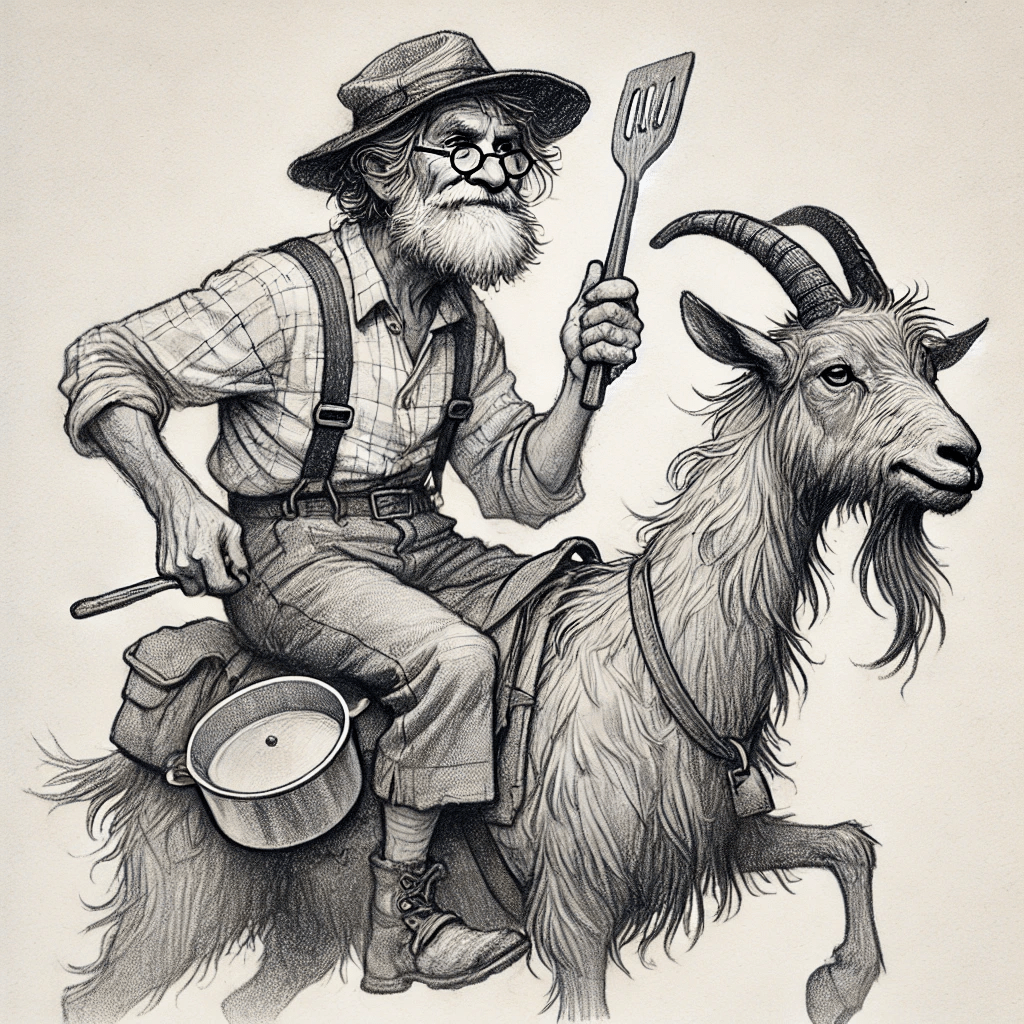
Every time I come across Alex Jones on social media, the old nursery song “Old Dan Tucker” starts to rhyme in my head. I don’t know what Old Dan Tucker looked like, but if he were real, I’d bet he had the face of Alex Jones.
I learned the song years ago when my children were small. “Old Dan Tucker” wasn’t the only nursery rhyme I knew—I could sing a whole caboodle of them: “Cindy,” “Polly Wolly Doodle,” “Li’l Liza Jane,” “Shortenin’ Bread,” you name it. My favorite was “Cindy,” which I sang to my older son every day after picking him up from daycare: “I wish I was an apple, and hanging in the tree; every time my boy passed, he’d take a bite of me.” It’s a bit gross now that I think of it. Asking a child to kiss his mom is one thing, but asking him to kiss his dad every time he passes under a tree? Yuck!
Back to Old Dan Tucker. For those unfamiliar, the nursery rhyme goes:
Old Dan Tucker wuz a fine old man
Washed his face in a fryin’ pan
Combed his hair wid a wagon wheel
Died wid de toofache in his heel
Old Dan Tucker, he’d come to town
Riding a billy goat, leading a hound
The hound dog barked, the billy goat jumped
Landed ‘Ol Tucker on a stump!
Get out of the way! Old Dan Tucker
You’re too late to get your supper
Get out of the way! Old Dan Tucker
You’re too late to get your supper
This quirky, outdated character evokes both laughter and a touch of affection. When you’ve lived in America long enough, you know an “Old Dan Tucker” when you see one—and there are plenty of them. And while Alex Jones may inspire stronger reactions, there’s a common thread.
What Makes an Old Dan Tucker?
The Tuckers and Joneses came to North America from England as indentured servants, and that heritage explains much about them. Let’s start with the name “Tucker.” It has English origins, derived from “toukere,” an occupational surname for a cloth fuller—a worker who thickened wool by “tucking” it, or pounding it in water. Over time, “Tucker” became a common surname and then a given name as it spread through English-speaking countries.
If you go strictly by the name, tuckers were menial workers; they were poor, and their trade didn’t require special skills. This makes perfect sense when you consider modern Tuckers, often referred to as “Southern poor” or “white trash” by the liberal elite and Democrats.
An interesting thing about the term “Southern poor” or “white trash” is that it’s nearly always applied to people with English last names, like “Tucker” and “Jones,” but rarely to European immigrants from Germany, Italy, Poland, or the Scandinavians. A “hillbilly” named “Heinrich Mueller” or “Vincenzo Colombo” or “Władyław Wojciechowski” would not only be inconceivable but downright hilarious.
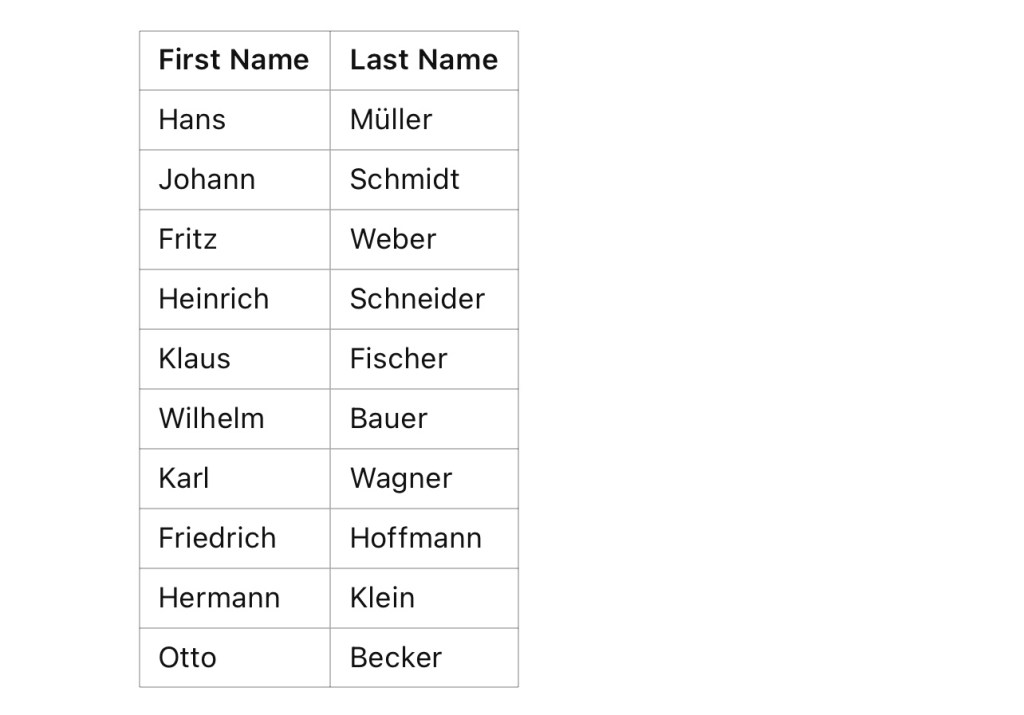
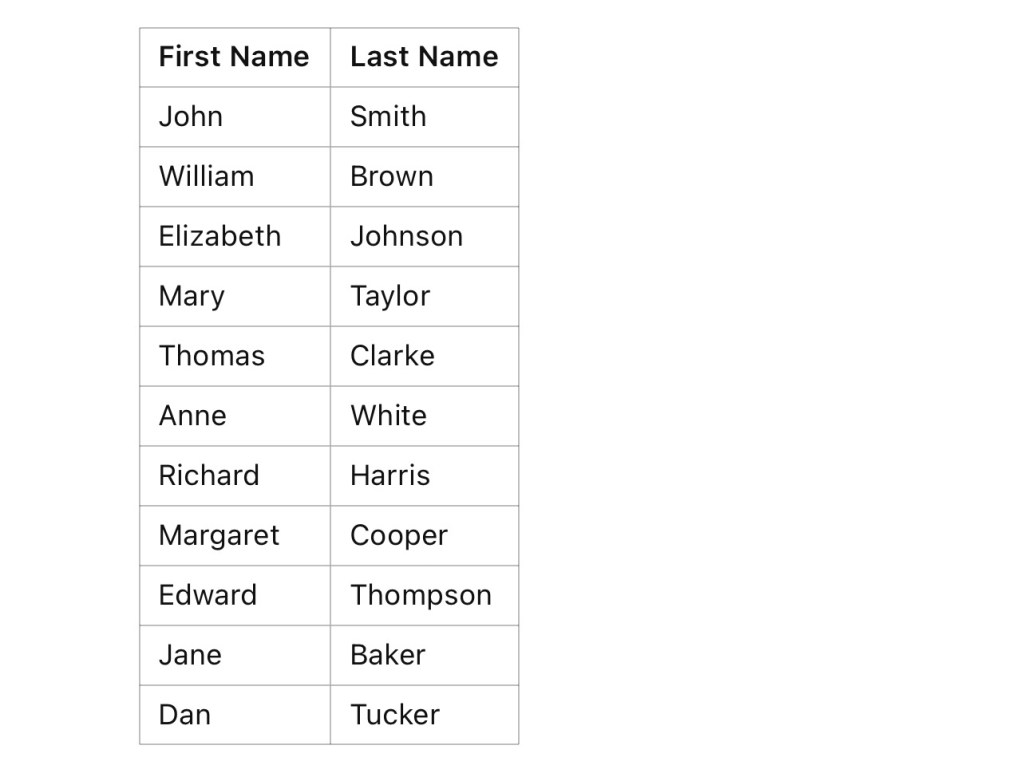
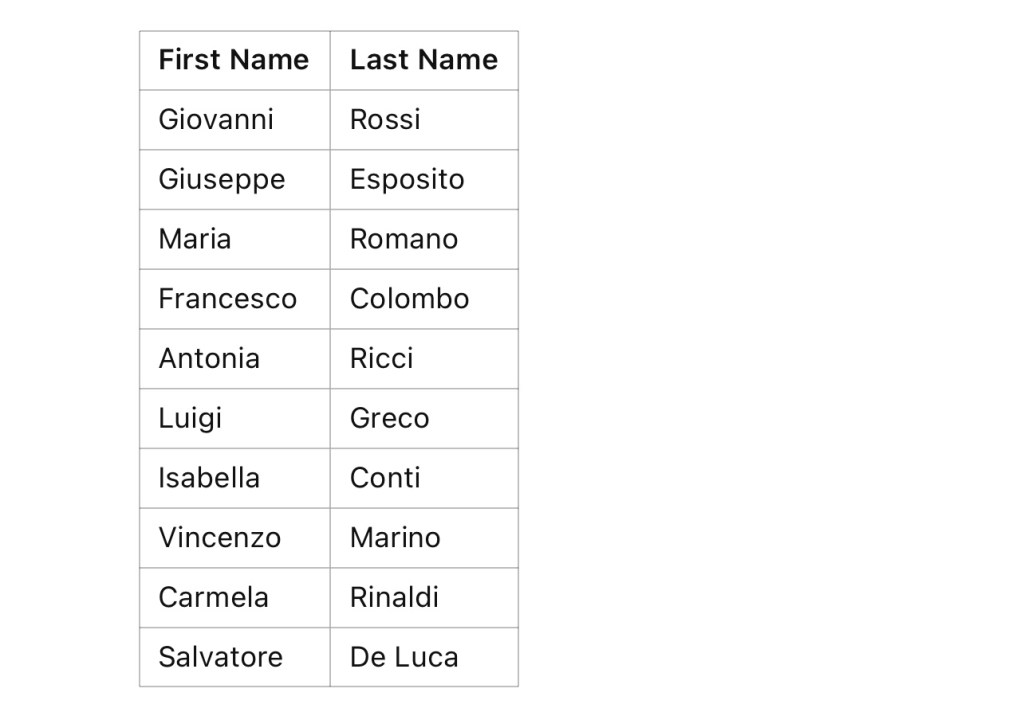
The reader might want try compile their own list. Try Polish names, or some Scandinavian names, then imaging a hillbilly bearing one such name. Make sure you put your bud light aside or you’ll get choked on it!
The Journey to America
The way Tuckers and Joneses immigrated to America is also revealing. When people think of early immigrants, they often conflate two different scenarios. Going to America was one thing; arriving and claiming land was another. Yet this distinction is often lost.
Imagine you’re an Englishman in John Smith’s time, dreaming of going to America. You couldn’t simply hop on a ship. Most Tuckers lacked the means to cross the ocean. Instead, many became indentured servants by signing a contract with an employer who would cover the voyage. Depending on the contract, servitude could vary in length, and lifetime indentures weren’t uncommon.
So, you’ve made it to America—Jamestown or some other settlement. But arriving didn’t mean you could claim land. America was not an unowned territory; it was under the English Crown. To own land, you needed a charter from the King.
Old Dan Tuckers in American Media
Jeff Dunham, the ventriloquist, has a character named Walter, who embodies the “Old Dan Tucker” spirit—rooted in the same provincial charm, though more “of the times.” Dunham’s other character, “Bubba J,” also channels this archetype.
Food Network’s Andrew Zimmern explores similar rustic American culture, trying squirrel stew and other oddities that seem exotic to mainstream America but are beloved by these Tucker types. In one episode, while cooking with a “Walter-like” character in northern Florida, Zimmern commented, “My problem with squirrels is that they’re hard to chew.”
In The Son, Philipp Meyer describes English-speaking fortune-seekers arriving in Texas. Unlike German immigrants who made butter and wine, these Eastern whites had no skills and little desire to work hard. They came expecting persimmons to fall into their laps, and the roads they laid were crooked as if guided by a “blind Indian.”
Symbols and Values: Cash and the Flag
Old Dan Tuckers still carry cash—symbolized by Andrew Jackson on the $20 bill, a nostalgic icon of their persona. If you still carry cash in a digital world, you might be a Tucker, clinging to a past vision of America.
The American flag is another Tucker hallmark, flown proudly on porches or trucks. It’s hard to picture one flying over a San Francisco apartment or a college professor’s office. For Old Dan Tucker, the flag isn’t political; it’s part of his identity. To him, America is a homestead—a place that has provided, if unevenly.
The “Blind Kind-Heartedness” of Old Dan Tuckers
Alex Jones is the poster boy for the modern-day Tucker—a populist, said by the liberals to “peddle conspiracies,” he is adored by some, despised by others. Liberals and “globalists” mock him, finding his ideology laughable, if it can even be called ideology. Despite his skepticism of elites, Jones and his followers are intensely hostile toward China—a view they ironically share with American elites. However, on Russia, Jones diverges from the establishment, the mere mention of it stirring a sentimental blind spot in the Tucker psyche that ignores contradictions.
Old Dan Tucker doesn’t recognize these inconsistencies. For him, “America First” means seeing other nations through simple binaries. He doesn’t question why China and Russia receive different treatment. You might call him patriotic, but his patriotism is naïve, his kind-heartedness blind. This unreflective allegiance may be why America’s ideological elite finds Old Dan Tucker so distasteful. He’s part of a folk culture they see as outdated and unthinking, embodying values that don’t fit modern discourse. But for all his simplicity, he remains a fixture—a constant in America’s crowded portrait gallery.
The Liberals’ Hatred and Disdain for the Tuckers
American liberals and Democrats deeply disdain the Tuckers. Their contempt is so intense that it’s often puzzling. For a sense of it, read Nancy Isenberg’s White Trash, where disdain drips from nearly every page.
In Coming Apart, Charles Murray provides a “bubble quiz” where readers check items they feel apply to them. The results show if one identifies with white working-class America or not. Some memorable questions include: Do you watch car races like the Daytona 500? Do you watch daytime TV dramas? How often do you drink Bud Light? Are you a gun lover?
If a reader checks all these, they’re considered white working-class—an Old Dan Tucker. But does that explain why liberal elites hate the Tuckers? Perhaps the answer is that Tuckers embody everything opposite to what the liberal elite envisions for society. To see what that ideal looks like, you need only glance at college brochures or hospital advertisements – all in your mail box!
 Yego’s Chronicles