
The British Empire—From Cottonopolis to Colonies
Picture Manchester in the 19th century—a city of factories, smoke-filled skies, and a constant hum of machinery. Known as Cottonopolis, it was the heart of British industry, spinning out textile goods for a global market. Britain’s empire was massive, stretching over continents and bringing wealth to its elite. But beneath the glory lay a hidden reality. While the aristocrats and merchants prospered, ordinary people in cities like Manchester, the empire’s “MEGA populace,” lived hard lives, packed into slums, working brutal hours for wages that barely covered the basics.
Charles Dickens documented this reality, showing us the lives of people who never saw the riches flowing through Britain. In novels like Oliver Twist and Hard Times, he captured a world of workhouses, child labor, and streets filled with people just trying to survive. These were the faces of Britain’s empire—the factory workers, children, and families who kept the machine running, but saw little of the rewards.
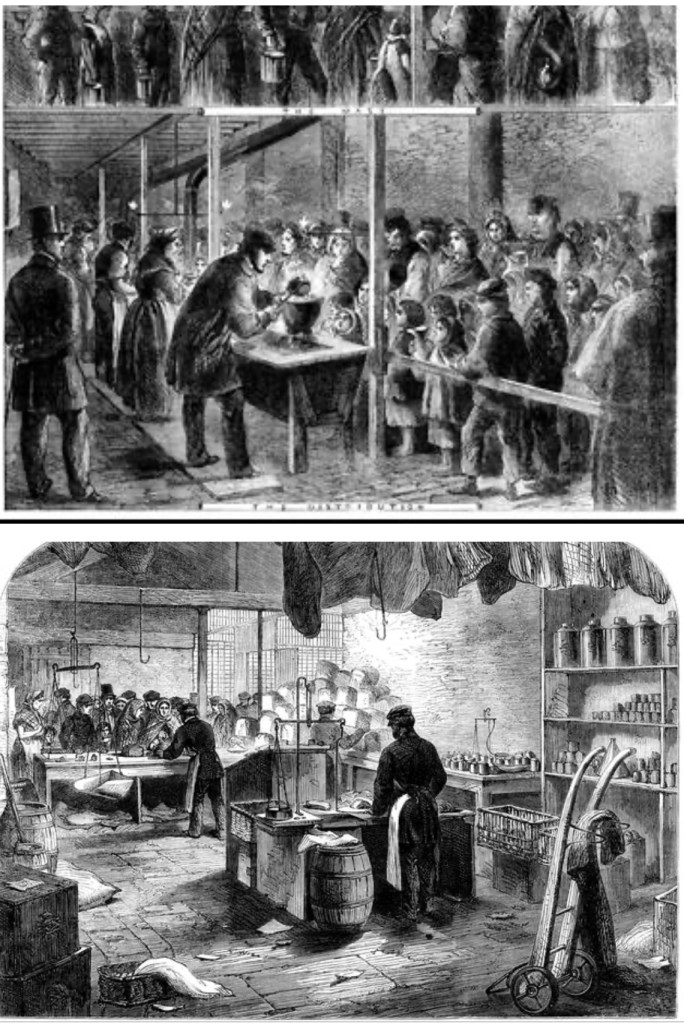
While Cottonopolis fueled Britain’s economy, the wealth it generated rarely made it into the hands of its own working class. Instead, the riches flowed up, enriching the elite—the factory owners, merchants, and politicians who benefited most from colonial wealth. So while the empire might have been a source of pride and power for Britain, it left its own “MEGA populace” to fend for themselves. The empire was built on their backs, yet the people of Cottonopolis saw little but hardship.
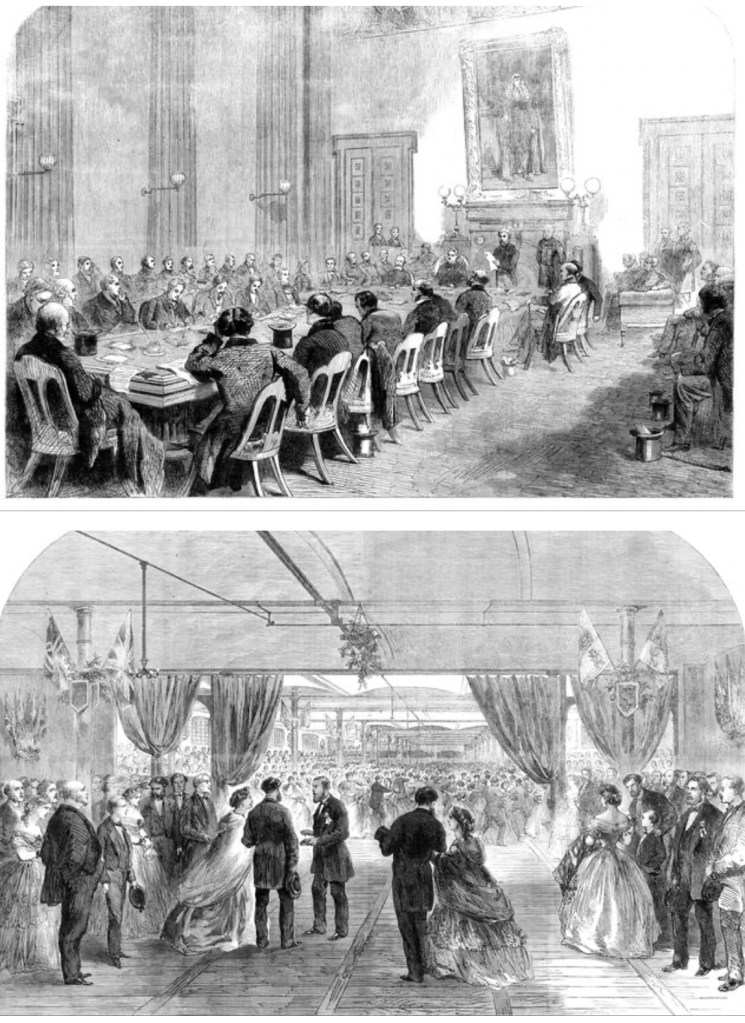
The American Empire—Steel Mills and the Rust Belt
Fast forward to 20th-century America, and we find the same story repeating itself. In cities like Gary, Indiana, and Youngstown, Ohio, America built its own industrial backbone. These steel towns powered American manufacturing and represented the promise of the American Dream. People moved to these places for a better life, believing that hard work could buy a home, raise a family, and even send a kid to college.
But as America’s empire expanded, the Rust Belt began to rust. Factories shut down, jobs vanished, and these once-thriving towns started to fall apart. Gary, Youngstown, and other industrial centers that had been the backbone of American life became “flyover states,” dismissed and overlooked. Today, these areas are marked by unemployment, drug addiction, and a sense of hopelessness—a broken American Dream.
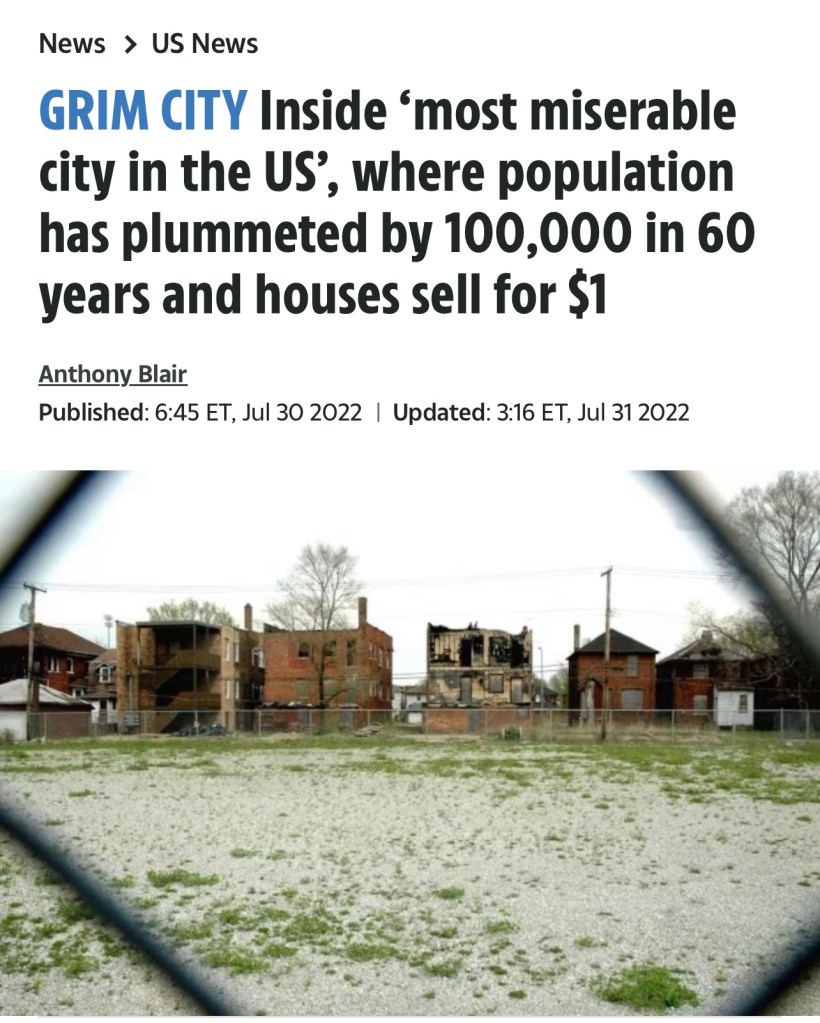
Meanwhile, America’s empire was reaching its peak. Military bases spanned the globe, Wall Street boomed, and tech giants reshaped the world. Like the British Empire, America’s expansion enriched a small elite—the politicians, investors, and corporate leaders who profited from global reach and influence. But for those in places like Gary and Youngstown, this so-called prosperity felt like a distant fantasy. Once again, the “MEGA populace” found themselves left behind, casualties of a system that prioritized profits and power over people.
Empires and Their Forgotten People
The stories of Cottonopolis and the Rust Belt reveal a pattern that spans empires and centuries. Britain, at the height of its power, ignored the struggles of its working class. America, at its own peak, turned a blind eye to the decline of its heartland. For both empires, the pursuit of global dominance came at a cost paid by their “MEGA populace”—the ordinary people who built the empire but saw little of its rewards.
History has shown that when empires chase greatness without taking care of their own, the cost is steep. Today, cities like Manchester have begun to reinvent themselves, but their scars are a reminder of an empire that forgot its own people. And in Gary and Youngstown, those scars are still fresh. The American Dream, like the British Empire before it, often leaves its workers behind, revealing the true cost of empire for the MEGA populace that built it.
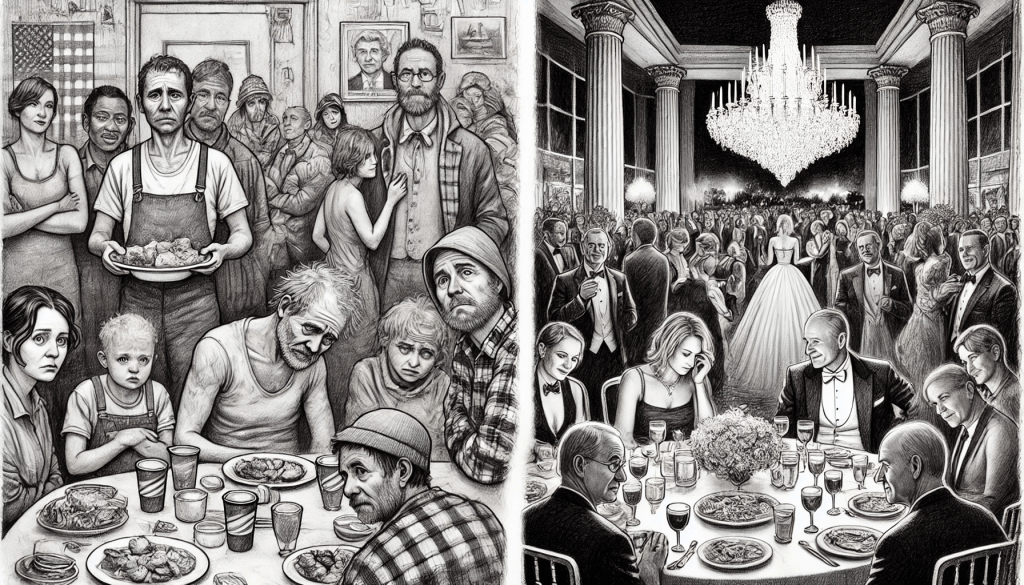
If you’re an average Jill or Joe in “America!” sporting a “MAGA” hat—basically, an Oliver Twist, an Old Dan Tucker, or someone like Alex Jones—giving yourself a proud pat on the back, saying, “Man, we did it!” then you’re either deluded, naïve, or just plain foolish. This kind of Empire-level wealth has nothing to do with you, America’s Oliver Twist! When the Obamas win, you lose; when the Trumps win, you lose. You’re always on the losing side, no matter who claims victory. But still, the MAGA-hatted Old Dan Tucker shouts with joy, “Man, we did it! We fuckin’ did the shit!”
Sure you did, buddy!
 Yego’s Chronicles