
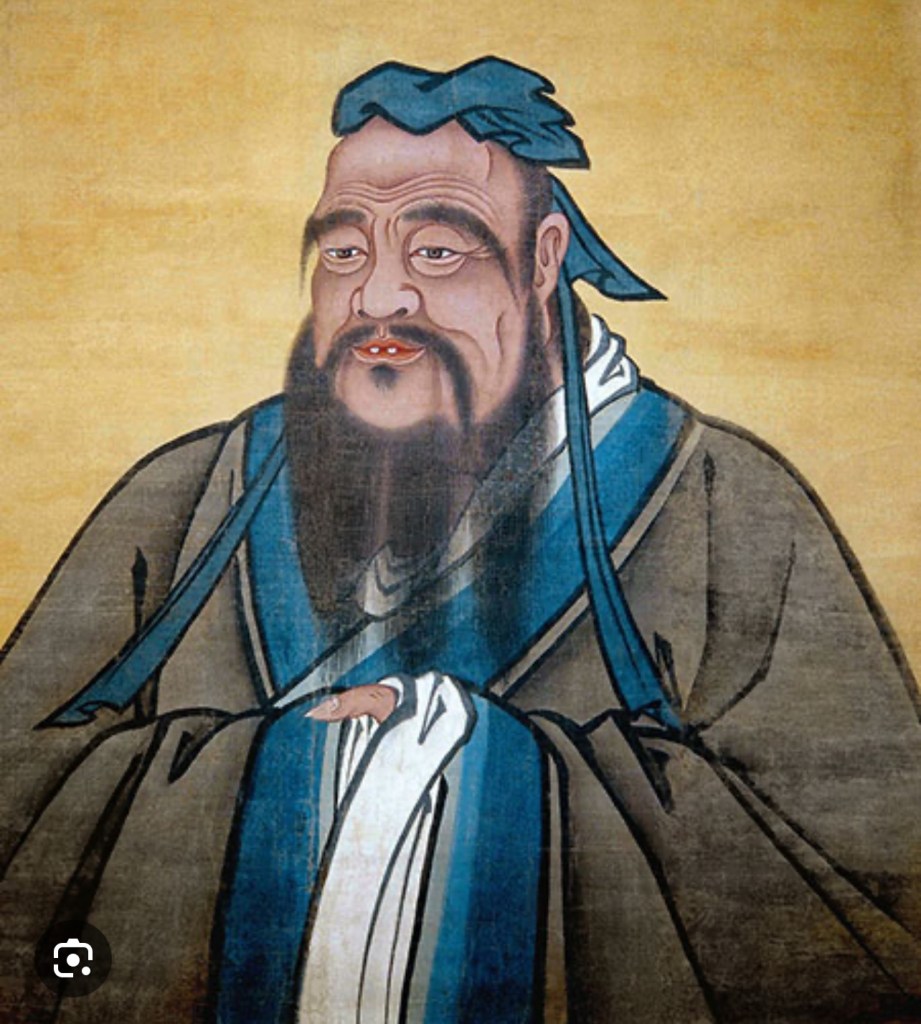
A story from Confucius’ Analects goes like this: A man tells Confucius about a curious case in his village. “A father stole a sheep from the commune,” the man says, “and his son exposed him. We all praised the son for his integrity.” Confucius listens, nodding thoughtfully, and then replies: “In my community, we do things differently. When a father commits a crime, the son covers for him. Likewise, when a son does something illegal, the father covers for him. We call that integrity.”
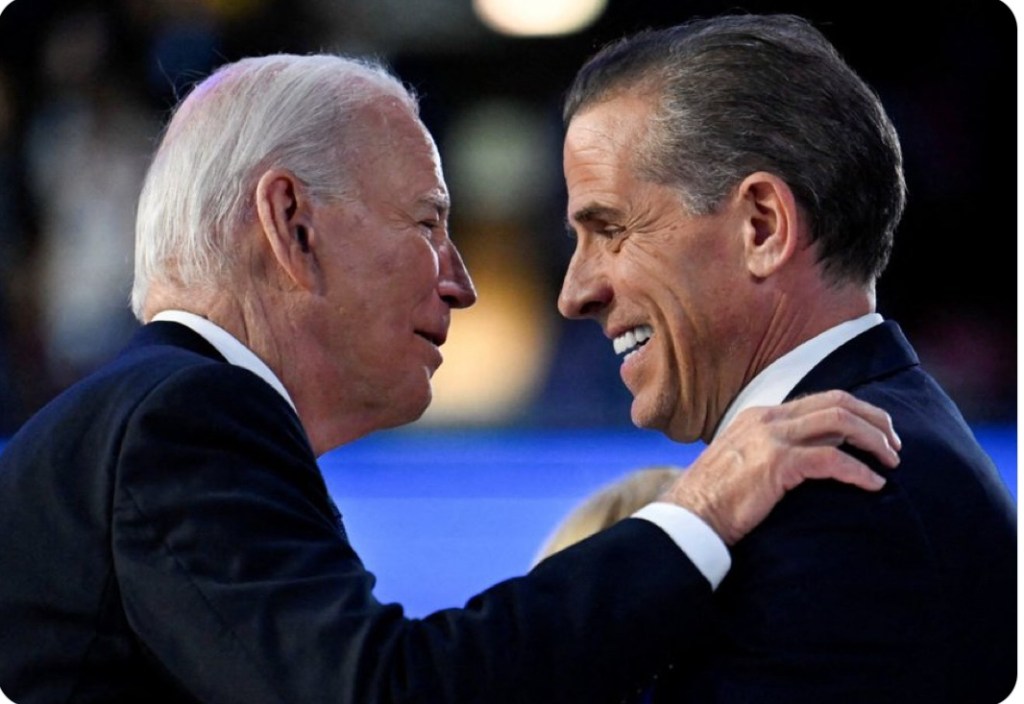
Fast forward to tonight, Sunday, December 1, 2024. The world is buzzing with breaking news: Joe Biden, the President of the United States, has just pardoned his son, Hunter Biden, for all crimes he has been convicted of over an 11-year period, and—brace yourself—crimes he might still be convicted of in the future concerning the aforementioned period. Convicted or not, Hunter is now officially untouchable.
As one might expect, the outrage has been swift and loud. Social media, or what’s left of it, exploded. On X (formerly known as Twitter, back when we could still spell), hashtags like #HunterPardonGate and #NepotismInChief began trending within minutes. News anchors scrambled to look appropriately shocked, while late-night hosts silently thanked Joe Biden for handing them a week’s worth of material.
But amidst the uproar, a quieter thought occurred to me: What if Joe Biden’s controversial act isn’t just a display of American political dysfunction? What if, instead, it’s an act of Confucian virtue?
Think about it. Confucius, the ancient sage who spent his life musing about morality and the social order, would likely nod in approval at Biden’s pardon. “Ah,” he might say, “the President understands the essence of filial piety.” After all, Confucian philosophy teaches us that the foundation of morality lies in family loyalty. The first step to building a virtuous society is ensuring that the bonds of the family are unshakable. A father who stands by his son, no matter the circumstance, is acting out the highest form of integrity.
Now, consider this entirely plausible scenario: Joe Biden didn’t actually attend law school. Perhaps, instead, he secretly pursued a graduate degree in Chinese philosophy. Picture a younger Joe, surrounded by stacks of books on Confucian ethics, painstakingly typing up his dissertation: “On Filial Piety and Pardons: A Comparative Study.” His professors applauded his original insight—“integrity is not about blind adherence to laws but about safeguarding the sacred ties of kinship.”
Of course, Joe being Joe, he probably misremembered key details and exaggerated his achievements, as he’s known to do. But the philosophical underpinnings remain.
If we were to channel Confucius himself to defend Joe Biden’s controversial pardon, it might sound something like this:
“In a well-ordered state, the family is the microcosm of the nation. Just as the son owes respect and loyalty to his father, so too does the father owe unwavering support to his son. By pardoning Hunter Biden, the President reaffirms the sanctity of familial bonds, setting an example of virtue for the American people.”
It’s true, this Confucian logic might be a hard sell in a country like the United States, where individualism reigns supreme, and the rule of law is supposedly the cornerstone of democracy. Americans prefer their morality served with a healthy dose of hypocrisy: A politician can lie, cheat, and steal, but God forbid they should be caught helping a family member in trouble.
And yet, maybe the outrage surrounding Biden’s actions reveals something deeper. Perhaps Americans aren’t upset because Joe Biden acted immorally—they’re upset because he acted too morally, but by a foreign standard. A Confucian in the White House, it turns out, is a deeply unsettling idea.
Ultimately, this incident might be remembered as a historic cultural exchange, a moment when East met West in the unlikeliest of places. So let’s give Joe Biden some credit. He didn’t just pardon his son; he opened the door to a new moral framework. And if Americans don’t like it? Well, they can take it up with Confucius.
 Yego’s Chronicles